
In the rapidly evolving global economy of 2026, the movement of physical goods has transitioned from a back-office administrative necessity to a frontline strategic advantage for modern enterprises. The world of freight services shipping is no longer defined merely by moving a metal container from one coastal port to another; it has become an intricate dance of digital precision, strict regulatory compliance, and increasing environmental stewardship. Whether you are an emerging small business owner looking to penetrate international markets or a seasoned supply chain manager at a multinational corporation, gaining a deep understanding of the mechanics behind modern logistics is essential for maintaining a competitive edge in a crowded marketplace.
The definition and scope of freight transport have expanded significantly over the centuries, reflecting the growing complexity of our interconnected world. According to Wikipedia, freight transport (or freight forwarding) is the physical process of transporting commercial products and merchandise, originally referring to sea travel but now encompassing land, air, and even space logistics. Today, this multifaceted process is governed by complex Google search algorithms and sophisticated digital marketplaces that match shippers with carriers in real-time. This technological integration allows for the optimization of routes to save time while simultaneously reducing carbon footprints through more efficient fuel consumption.
The Pillars of Modern Freight Services Shipping
To successfully navigate the complexities of international trade, one must first understand the fundamental modes of transport and how they integrate into a cohesive, reliable strategy. Each specific mode offers distinct advantages regarding transit speed, overall cost, and the level of reliability provided to the end customer.
1. Sea Freight: The Backbone of Global Trade
Maritime shipping remains the primary driver of international commerce, carrying approximately 80 to 90 percent of global trade volume by weight. In 2026, the industry is experiencing a unique phase of vessel overcapacity, which has led to more competitive pricing for businesses that possess the foresight to plan their inventory cycles ahead of time. Large container ships move massive quantities of bulk goods across oceans, providing the most cost-effective solution for non-urgent shipments where the primary goal is minimizing the overhead cost per unit.
2. Air Freight: Speed and Security
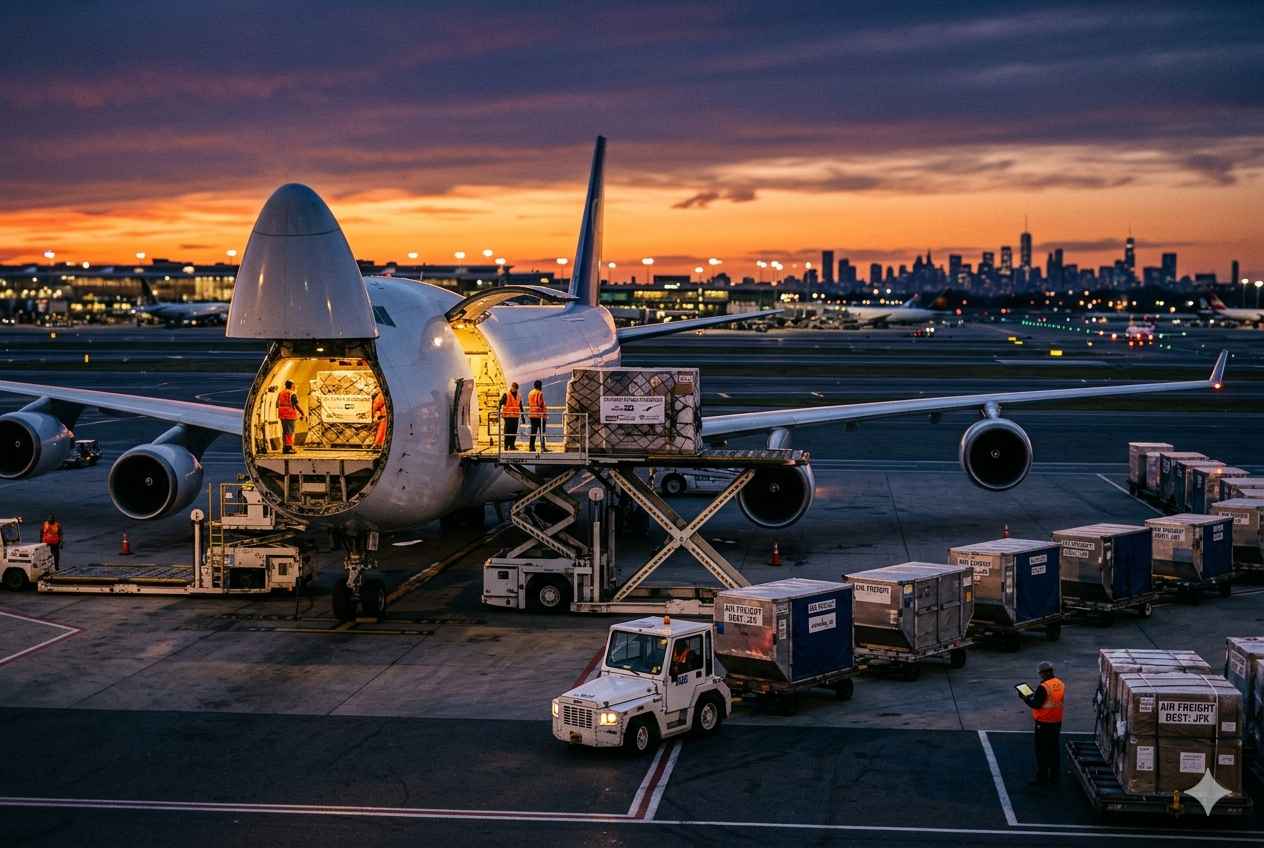
For high-value electronics, sensitive pharmaceuticals, or perishable goods that require immediate delivery, air transport serves as the industry gold standard. While it is significantly more expensive than sea freight, it offers unparalleled delivery timelines ranging from one to three days across continents. Current market research from Google News indicates that air cargo demand is stabilizing in 2026, with a heavy focus on transporting the hardware infrastructure required for global artificial intelligence networks.
3. Road and Rail: The Critical Link
Often referred to as the "last mile" or inland transport, road and rail services provide the vital connection between major ports or airports and the final warehouse destination. Rail is increasingly favored for its superior sustainability profile and its ability to move massive quantities of raw materials over vast landmasses with high efficiency. Conversely, trucks offer the granular flexibility needed for door-to-door delivery within complex urban environments, ensuring that the supply chain reaches the consumer's doorstep.
Navigating the Challenges of a Digital Supply Chain
The logistics landscape in 2026 is defined by what many experts call "The Great Digitalization," a period where manual processes are being phased out in favor of automated systems. Businesses are moving away from manual spreadsheets and toward integrated cloud platforms that offer end-to-end visibility of every package in transit. However, this massive technological shift brings its own set of professional challenges that require careful management.
Cybersecurity in Logistics
As logistics becomes increasingly data-driven, the threat of sophisticated cyberattacks has moved to the absolute forefront of industry concerns. A recent report featured in Forbes highlights how maritime cyber resilience is now a top priority, as navigation manipulation and GPS spoofing can disrupt entire global supply chains in a matter of minutes. Companies must now invest in zero-trust architectures and encrypted tracking systems to protect not only their physical cargo but also the sensitive proprietary data associated with their trade routes.
Sustainability and Green Regulations
Environmental impact is no longer a "nice-to-have" corporate goal for marketing purposes; it has become a strict regulatory mandate in most developed nations. The expansion of the EU Emissions Trading System (ETS) means that every ton of carbon emitted during freight services shipping carries a direct financial cost to the shipper. Leading logistics providers are responding by:
- Utilizing sustainable aviation fuel (SAF) to lower the carbon intensity of air shipments.
- Implementing "Green Maritime Corridors" specifically designed for carbon-neutral ocean transit.
- Optimizing delivery routes through AI to eliminate "deadhead" miles, which are miles driven by empty trucks during return trips.
Strategic Planning for Global Growth
To truly master freight services shipping, businesses must move from a reactive mindset, where they respond to crises as they happen, to a predictive one. This involves diversifying supply chains to avoid single points of failure and building long-term partnerships with experts who understand the nuances of international law and regional trade agreements.
TerraLinkLogistics offers international freight and forwarding services, providing the specialized knowledge required to navigate the hurdles of customs clearance and complex multimodal transfers. In a world where a single port strike, a localized conflict, or a sudden geopolitical shift can halt production entirely, having a diversified portfolio of routes is the best insurance policy a company can hold.
Key Considerations for Shippers in 2026:
- Resilience over Efficiency: While "just-in-time" inventory was once the gold standard, many firms now opt for "just-in-case" strategies, keeping buffer stocks closer to their end consumers to protect against disruptions.
- Multimodal Solutions: Combining different modes of transport—such as utilizing sea freight for the long-haul portion and air for the final urgent leg—can effectively balance budget constraints while meeting tight customer deadlines.
- Customs Compliance: With changing tariffs and evolving trade frameworks, especially in the Asia-Pacific and European regions, proactive documentation is essential to avoid costly port delays and potential legal fines.
Conclusion: Turning Logistics into a Competitive Edge
The world of freight services shipping is more transparent, fast-paced, and complex than ever before. By leveraging the latest digital tools, staying informed on global economic trends, and prioritizing both security and sustainability, you can transform your logistics operations from a simple cost center into a powerful engine for international growth.
Success in 2026 belongs to those who view their supply chain as a living, breathing asset rather than a static expense on a balance sheet. Whether you are shipping raw materials for manufacturing or finished consumer goods for retail, the right strategy ensures your products reach their destination safely, efficiently, and responsibly. Now is the perfect time to audit your current shipping processes and embrace the technological innovations that are shaping the future of global trade.