
Introduction
In today’s fast-paced global supply chain, efficiency is no longer optional, it is essential. Businesses depend on seamless logistics operations to move goods quickly, safely, and cost-effectively. Two of the most crucial components in this system are warehousing and drayage shipping services. While they often operate behind the scenes, their coordination plays a decisive role in determining whether shipments arrive on time or face costly delays.
Warehousing is not just about storage, it is about strategic inventory management, order fulfilment, and distribution. Drayage shipping services, on the other hand, handle the short-distance transportation of goods, typically between ports, rail yards, and warehouses. When these two functions work in harmony, they create a streamlined logistics ecosystem that supports smooth operations across the entire supply chain.
This article explores the critical link between warehousing and drayage shipping services, highlighting how their integration enhances efficiency, reduces costs, and strengthens overall logistics performance. It also explains how freight forwarding services tie everything together to create a cohesive and reliable transportation network.
Understanding Warehousing in Modern Logistics
Warehousing has evolved significantly over the years. It is no longer just a place to store goods, it is a dynamic hub that supports multiple supply chain functions. Modern warehouses are designed to optimise inventory flow, improve order accuracy, and reduce handling times.
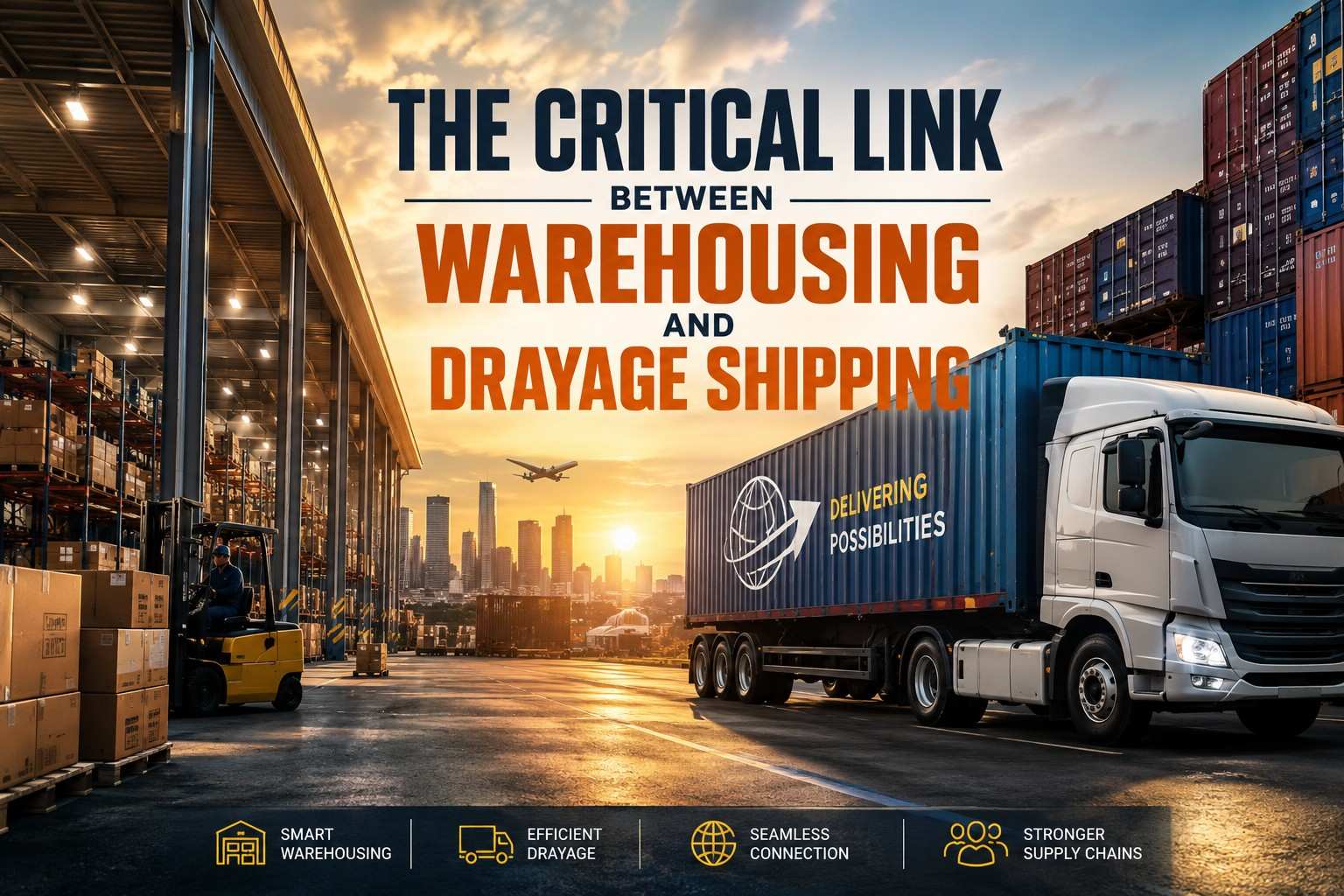
At its core, warehousing involves receiving goods, storing them efficiently, and dispatching them when needed. However, advanced facilities go beyond these basic functions. They incorporate technology such as warehouse management systems, automation tools, and real-time tracking to improve operational visibility and efficiency.
A well-managed warehouse ensures that goods are stored in the right conditions, organised for easy access, and ready for quick dispatch. This is especially important when dealing with time-sensitive shipments or high-demand products. Delays in warehousing can disrupt the entire supply chain, making coordination with drayage shipping services even more critical.
Another key aspect of warehousing is inventory control. Businesses must maintain the right balance between supply and demand. Too much inventory increases storage costs, while too little can lead to stockouts and missed sales opportunities. Effective warehousing practices help maintain this balance and ensure a steady flow of goods.
When integrated with freight forwarding services, warehouses become even more powerful. Freight forwarders coordinate international shipments, manage documentation, and ensure compliance with regulations. By aligning warehousing operations with freight forwarding services, businesses can create a seamless transition between storage and transportation.
What Are Drayage Shipping Services and Why They Matter
Drayage shipping services refer to the short-distance transportation of goods, usually within a specific region. This includes moving containers from ports to warehouses, from rail terminals to distribution centres, or between logistics hubs. Although the distances involved are relatively short, drayage plays a crucial role in the overall supply chain.
Without efficient drayage shipping services, goods can get stuck at ports or terminals, leading to delays, congestion, and increased costs. In many cases, the speed of drayage operations determines how quickly goods can move through the supply chain.
Drayage is particularly important in intermodal transportation, where goods are transferred between different modes such as ships, trains, and trucks. Each transition point requires precise coordination to avoid delays. This is where the connection between warehousing and drayage shipping services becomes essential.
For example, when a container arrives at a port, it must be transported to a warehouse for unloading and storage. If drayage shipping services are not well-coordinated with warehouse availability, the container may sit idle, incurring demurrage or detention fees. These additional costs can significantly impact a company’s bottom line.
Reliable drayage shipping services ensure that goods are moved promptly and efficiently. They help maintain the flow of goods, reduce bottlenecks, and support timely deliveries. When combined with efficient warehousing, they create a smooth and predictable logistics process.
Freight forwarding services also play a role here by coordinating schedules, managing documentation, and ensuring that shipments move seamlessly across different stages. Together, these services form the backbone of modern logistics operations.
The Synergy Between Warehousing and Drayage Shipping Services
The relationship between warehousing and drayage shipping services is deeply interconnected. Each depends on the other to function effectively. When these two components are aligned, they create a powerful synergy that enhances the entire supply chain.
One of the most important aspects of this synergy is timing. Warehouses must be prepared to receive goods as soon as they arrive, and drayage shipping services must be scheduled to deliver shipments at the right time. Poor timing can lead to delays, increased costs, and operational inefficiencies.
Communication is another critical factor. Real-time data sharing between warehouses and drayage providers ensures that both parties are aware of shipment status, arrival times, and capacity constraints. This level of visibility helps prevent misunderstandings and enables proactive decision-making.
Space management within warehouses also plays a role. If a warehouse is operating at full capacity, it may not be able to accept incoming shipments. This can create delays in drayage operations and disrupt the entire logistics chain. Proper planning and coordination help avoid such issues.
The integration of technology further strengthens this relationship. Systems that connect warehouse management with transportation management allow for better coordination and efficiency. Businesses can track shipments in real time, optimise routes, and allocate resources more effectively.
Freight forwarding services act as a bridge between these functions. They coordinate international shipments, manage customs clearance, and ensure that goods move smoothly between different stages of the supply chain. By aligning freight forwarding services with warehousing and drayage shipping services, businesses can achieve a fully integrated logistics solution.
Benefits of Integrating Warehousing with Drayage Operations
Integrating warehousing with drayage shipping services offers several significant benefits. These advantages go beyond operational efficiency and extend to cost savings, customer satisfaction, and overall business performance.
Improved Efficiency
When warehousing and drayage shipping services are well-coordinated, goods move faster through the supply chain. This reduces transit times and ensures that products reach their destination on schedule. Efficient operations also minimise delays and improve overall productivity.
Cost Reduction
Poor coordination between warehousing and drayage can lead to additional costs such as demurrage, detention, and storage fees. By integrating these functions, businesses can avoid unnecessary expenses and optimise their logistics budget.
Enhanced Visibility
Integration provides better visibility into the entire supply chain. Businesses can track shipments in real time, monitor inventory levels, and identify potential issues before they become major problems. This level of transparency supports better decision-making.
Better Customer Satisfaction
Timely deliveries are essential for customer satisfaction. When warehousing and drayage shipping services work together effectively, businesses can meet delivery deadlines and provide a reliable service. This builds trust and strengthens customer relationships.
Scalability and Flexibility
An integrated logistics system allows businesses to scale their operations more easily. Whether handling increased demand or expanding into new markets, coordinated warehousing and drayage shipping services provide the flexibility needed to adapt to changing conditions.
Freight forwarding services enhance these benefits by managing international logistics, ensuring compliance, and coordinating shipments across borders. Their role is essential in creating a seamless and efficient supply chain.
Conclusion
The connection between warehousing and drayage shipping services is a critical factor in the success of modern logistics operations. While each function plays a distinct role, their true value lies in how well they work together. Efficient warehousing ensures that goods are stored, managed, and dispatched effectively, while reliable drayage shipping services keep shipments moving between key locations.
When these two components are aligned and supported by professional freight forwarding services, businesses can achieve a streamlined, cost-effective, and highly efficient supply chain. This integration reduces delays, minimises costs, and improves overall performance, making it an essential strategy for any organisation involved in logistics and transportation.
As global trade continues to grow and supply chains become more complex, the importance of coordination between warehousing and drayage shipping services will only increase. Businesses that invest in integration, technology, and strong partnerships will be better positioned to succeed in this competitive landscape.